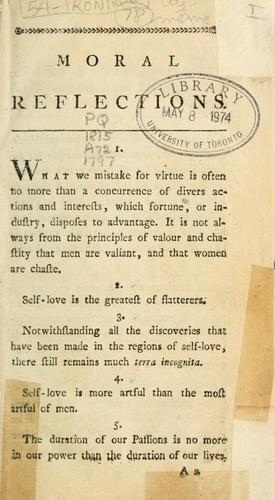
Maximes
"The translation of this bilingual edition of La Rochefoucauld's Reflexions ou sentences et maximes morales (long known in English simply as the Maxims) is the first to appear in forty years. It is completely new and aims - unlike all previous versions - at being as literal as possible. This involves, among other things, rendering the same word - for example, amour-propre as "self-love" - as consistently throughout as good sense allows. This also means that the translators have made every effort to maintain La Rochefoucauld's word order. This allows the reader the best vantage point for viewing La Rochefoucauld's dramatic and paradoxical juxtapositions of words and ideas, juxtapositions of the utmost importance to understanding his thought. Despite the translation's concern with literalness, careful attention has been paid to the nuances of the literary character of the Maxims. In addition, this work contains an updated version, in English, of the original French index of the work that will greatly aid the reader in finding just the right maxim."--BOOK JACKET.
- Generi
- Maxims, French Maxims, Early works to 1800, Translations into English, French Didactic literature, Literary reference works
- Autore
- François duc de La Rochefoucauld, Stuart D. Warner, Stéphane Douard
- Pagine
- 172
Dove trovarlo
Alcuni collegamenti sono di affiliazione: se acquisti, il sito può ricevere una commissione, senza costi in più per te.
Non sai cosa scegliere?
Dimmi i tuoi gusti e ti propongo cosa leggere, in base a quello che ti piace.
Provalo gratisTitoli simili
 The Autobiography of Benjamin Franklin (1791)
 The complete economy of human life: in two parts (1750)
 Agudeza y arte de ingenio, en que se explican todos los modos y differencias de conceptos, con ejemplares escogidos de todo lo más bien dicho, assi facto, como hymano (1649)
 Märchen (1854)
 The Apology, Phaedo and Crito of Plato; Golden Sayings of Epictetus; Meditations of Marcus Aurelius (1907)
 Aphorismen zur Lebensweisheit (1888)
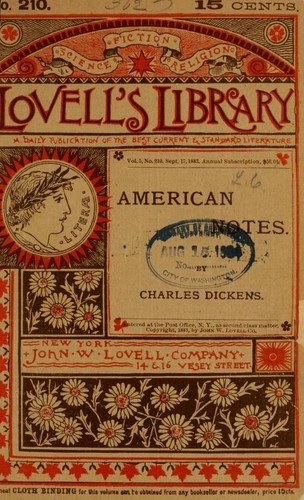 American notes (1800)
 Goethe's Werke (1800)