
La Poetica
Few, if any, writers in history have made major contributions to as many fields of knowledge as Aristotle... 'If there are two definitive features of ancient Greek civilization,' writes Hugh Lawson-Tancred in his wide-ranging Introduction, 'they are articulacy and competition.' In the city-states oratorical competence was an essential asset for politicians in the Assemblies and Councils and even for ordinary citizens in the courts of law. In response, the technique of rhetoric rapidly developed, bringing virtuoso performances and a host of practical manuals for the layman. Yet if many of these were little more than collections of debaters' tricks, the hugely influential Art of Rhetoric has a far deeper purpose. It is here that Aristotle (384-322 B.C.) establishes the methods of informal reasoning, provides the first aesthetic evaluation of prose style and offers detailed observations on character and the emotions. 'Persuasiveness,' suggests Lawson-Tancred, 'becomes for the first time a systematic and even scientific exercise; it can indeed be taught, but only by a deep grasp of some of the most central features of human nature.' His fine translation makes freshly available an epoch-making work of literary criticism.
- Generi
- Metaphysics, Early works to 1800, Metaphysica (Aristoteles), Rhetoric, ancient, Ethics, greece, Athens (greece), politics and government
- Autore
- Aristotle
- Pagine
- 312
Dove trovarlo
Alcuni collegamenti sono di affiliazione: se acquisti, il sito può ricevere una commissione, senza costi in più per te.
Non sai cosa scegliere?
Dimmi i tuoi gusti e ti propongo cosa leggere, in base a quello che ti piace.
Provalo gratisTitoli simili
 Τίμαιος (1520)
 Sein und Zeit (1927)
 Discours de la méthode (1644)
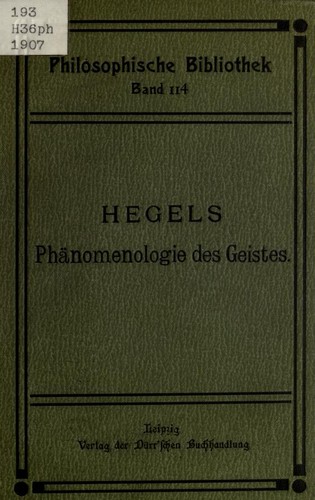 Phänomenologie des Geistes (1907)
 Sogenannte Monadologie und Principes de la nature et de la grace fondés en raison: Hrsg. von Clara Strack. (1728)
 The Problems of Philosophy (1900)
 Die Welt als Wille und Vorstellung (1819)
 Meditationes de prima philosophia (1642)